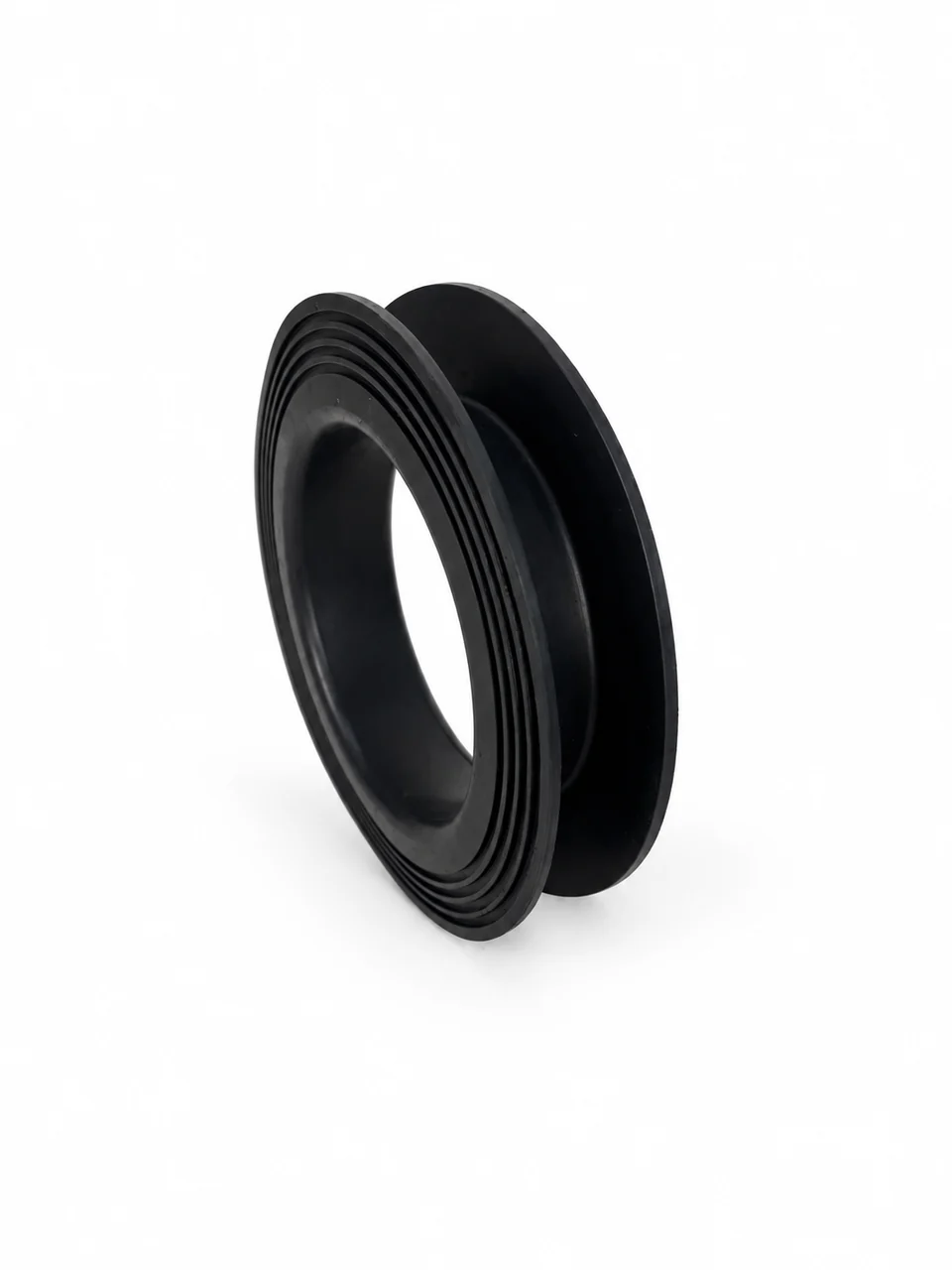
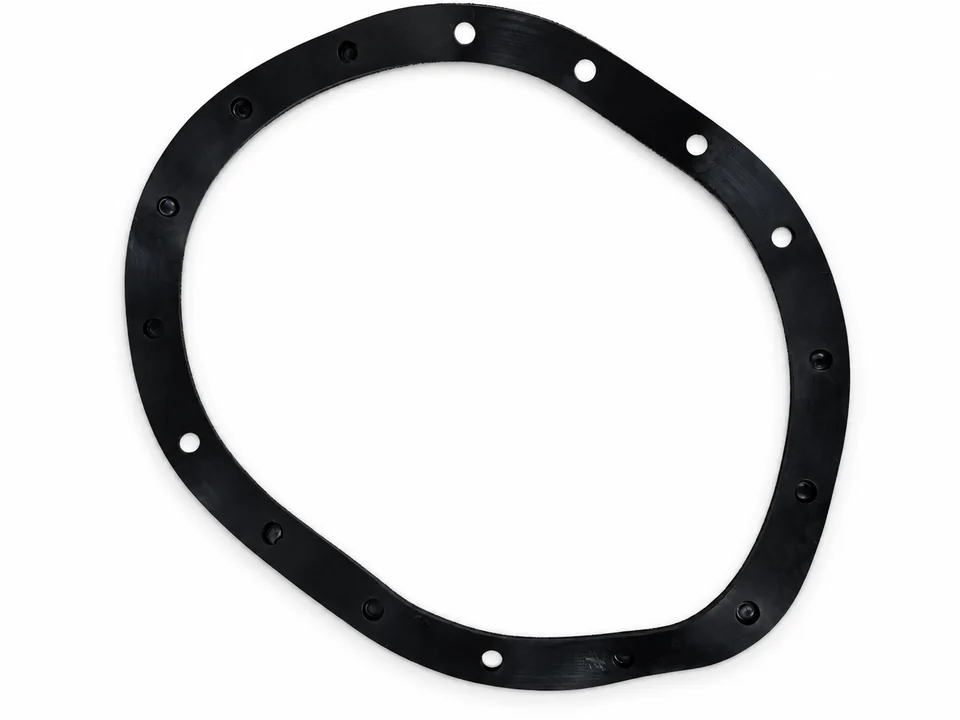
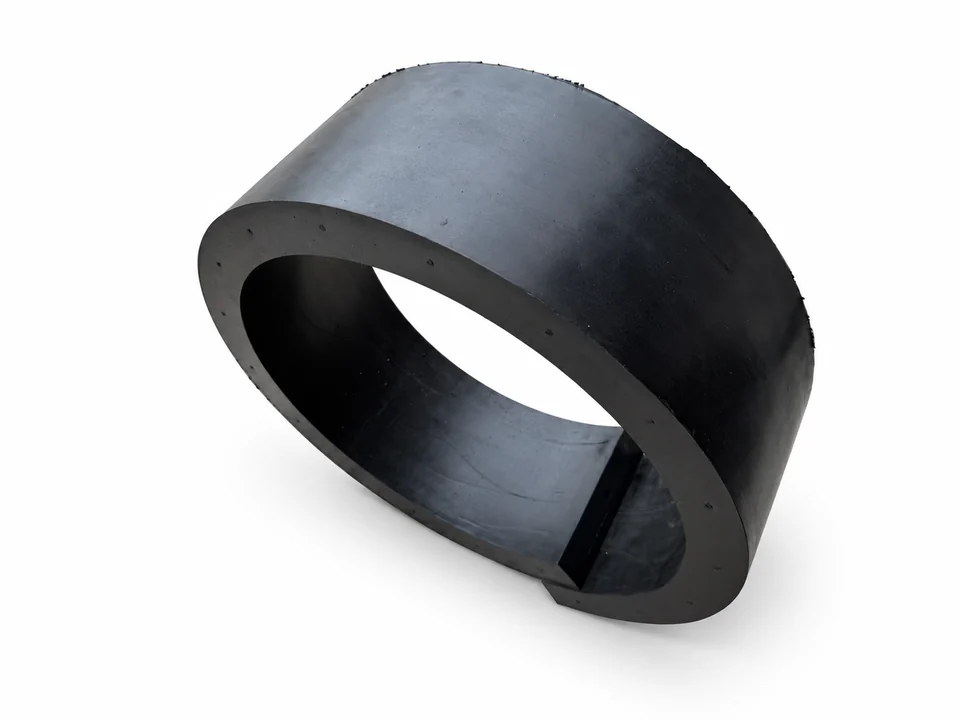
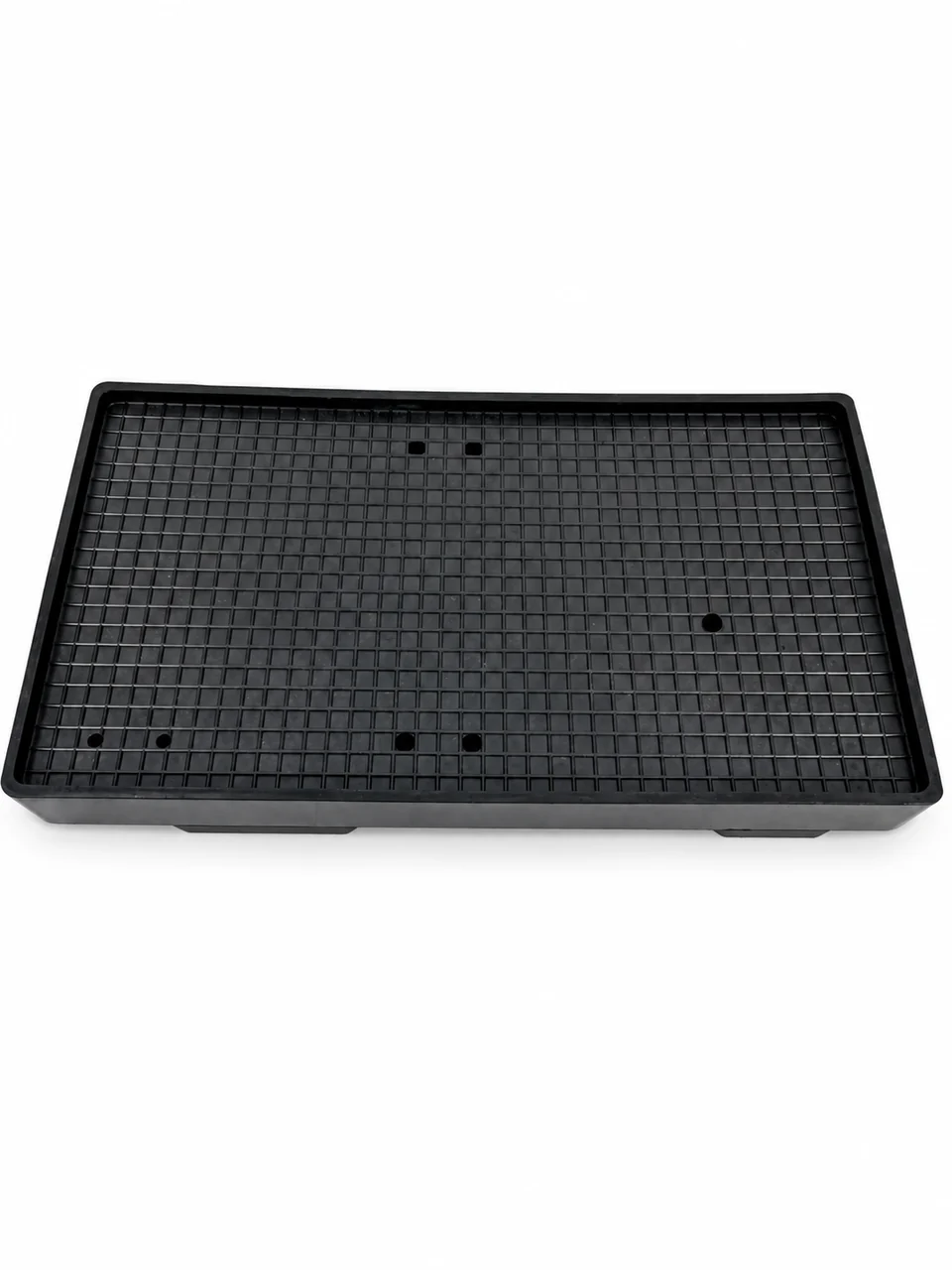
Selected parts from our actual production show a range of custom shapes and surface details. We review your drawing, sample or dimensional requirements before confirming material, tooling and production details.
Four actual-production structure examples · Backgrounds standardized for presentation
Made-to-order structures
A closer look at real parts
Dimensions, materials and hardness below describe individual parts we have produced. They are examples of custom work, rather than standard stock specifications. New orders follow the approved drawing or sample and operating conditions.
01 · Actual production example
Grid-Textured NBR Machinery Component
Custom rectangular component with a grid-textured surface for installation inside machinery.
Image backgrounds have been standardized to white for presentation. Drawings, samples and approved specifications—not photos alone—define the final part.
Custom rubber part purchasing FAQ
Can you review a requirement if I only have a sample?+
Yes. Start with clear photos of the relevant faces, measured dimensions and an explanation of how the part is used. Tell us whether a physical sample can be supplied. Photos alone do not define manufacturing tolerances; the required geometry and acceptance criteria must be agreed before production.
What should a custom-part drawing include?+
Include the part number and revision, units, dimensions, critical tolerances, holes, grooves and mating features. Add the material and hardness requirements where known, together with any specified inspection requirements. Clearly identify dimensions that affect fit or assembly.
Can I request a material review instead of specifying a rubber grade?+
Yes. Describe the application, normal operating temperature, any temperature extremes, fluids in contact with the part, contact duration and mechanical duty. Include fluid product names or technical data sheets where available. State any required Shore A hardness and tolerance. Material and hardness are reviewed against your requirements and confirmed for the order.
Do the production examples represent standard products?+
The examples show specific parts from actual production. Their dimensions, materials and hardness values apply to those examples and are not universal specifications for new orders. Send your own drawing or requirement so the relevant production details can be reviewed.
Will I need to pay for a new mold, and can the fee be refunded?+
We review the part geometry, material and manufacturing requirements to determine whether new tooling is needed. If a new mold is required, the customer pays the mold fee. For ongoing production, the mold fee may be refunded when the agreed production quantity is reached, subject to the terms confirmed in the quotation or a separate agreement. The qualifying quantity and refund arrangements must be agreed for the specific project.
How should I state the quantity and delivery requirement?+
Separate sample, trial-order and expected production quantities. Include the required delivery date and destination. Minimum order quantity, pricing and lead time are confirmed after reviewing the part, tooling and order requirements.
Send your drawing or sample details, service conditions and trial or production quantity for a quotation review.
You can attach one PDF, JPG, PNG, WEBP, DWG or DXF file, up to 8 MB, in the inquiry form. Include the drawing number and revision, units, fit-critical dimensions and tolerances. If you only have a sample, send clear photos and the dimensions you can measure; mark unknown specifications as unknown.
01
Drawing or sample
Share a drawing, existing part or clear photos of the required structure.
02
Dimensions & interface
Provide key dimensions, holes, mating features and tolerances if specified.
03
Working conditions
Tell us where the part is used and any temperature, oil, weather or chemical exposure.
04
Material & quantity
Include material or hardness requirements when known, plus trial and production quantity.
Start with what you have
Have a drawing, sample or a part to match?
Send the available information and target quantity. If material or hardness is not yet specified, describe the working conditions so we can review the options.